How to Protect Delicate Items During a Move
Moving to a new home can be exciting, but looking after delicate items during a move often causes stress you do not need. Fragile things such as glasses, art, antiques and electronics need extra care, planning and the right way of packing. Without good preparation, even a short move can lead to damage that costs a lot to fix, or that cannot be fixed at all.
At Elite Moving, we know how much your delicate things mean to you. We work with home owners every day who want peace of mind that their valued things will arrive safely. Whether you are moving locally or across the country, learning how to protect delicate items during a move can save you time, money and worry.
With the right approach, even the most fragile things can be moved safely and quickly.
Why Protecting Delicate Items Matters
Delicate items are often fragile, costly or one of a kind. A single crack in a fine glass or a chip in a family heirloom can mean a loss of both money and memories. Unlike furniture or everyday things, many fragile items cannot easily be replaced.
Proper protection during a move helps ensure:
-
Safe transportation from start to finish
-
Reduced stress on moving day
-
Preservation of sentimental and high-value items
-
Fewer delays caused by breakages or repacking
A careful approach cuts the risk of accidents by a lot. It also gives you confidence that your things are being handled with care for the whole move.
Essential Packing Materials
The right packing materials are the base of keeping delicate things safe on a move. Cheap materials or short cuts often lead to damage.
Essential materials include:
Bubble Wrap
Ideal for cushioning fragile things and soaking up bumps. Wrap each delicate item on its own.
Packing Paper
Plain packing paper works well for china, pottery and glass. It stops scratches and adds an extra layer of protection.
Packing Peanuts or Gap Fillers
Use these to fill gaps inside boxes, so things do not move about on the road.
Strong Moving Boxes
Double-walled boxes are extra strong, and they matter most for fragile or heavy things.
Foam Sheets and Moving Blankets
Perfect for mirrors, art, TVs and other large, delicate things.
Using these materials the right way builds a safe layer around your things and stops them moving about on the road.
Step-by-Step Guide for Packing Fragile Items
Step 1: Sort Your Items
Start by putting fragile things to one side, away from sturdy ones. Make a checklist that includes glasses, china, antiques, art, electronics and things you collect. This lets you plan your packing time and materials properly.
Sorting also helps you choose which things you may want a pro team to pack for you.
Step 2: Wrap Items Individually
Each delicate item should be wrapped on its own using bubble wrap or packing paper. Pay special attention to corners, handles, and edges, as these areas are most likely to break. Fragile items should never touch each other inside a box.
More layers give extra protection, mostly for costly things.
Step 3: Label Boxes Clearly
Every box with delicate items inside should say "Fragile" and have arrows to show which way is up. Clear labels make sure movers know which boxes need extra care.
This simple step cuts the chance of rough handling a lot.
Step 4: Use Padding Inside Boxes
Empty space inside boxes allows items to shift and collide. Fill all gaps with packing peanuts, foam, or crumpled paper. Items should feel secure and not move when the box is gently shaken.
Padding is key to soaking up shakes on the road.
Step 5: Secure Boxes Properly
Seal boxes with strong packing tape along all the seams. Do not overfill boxes, as too much weight adds pressure and can lead to breaks. Smaller boxes are better for heavy, delicate things.
A well-sealed box keeps things steady and safe.
Step 6: Transport With Care
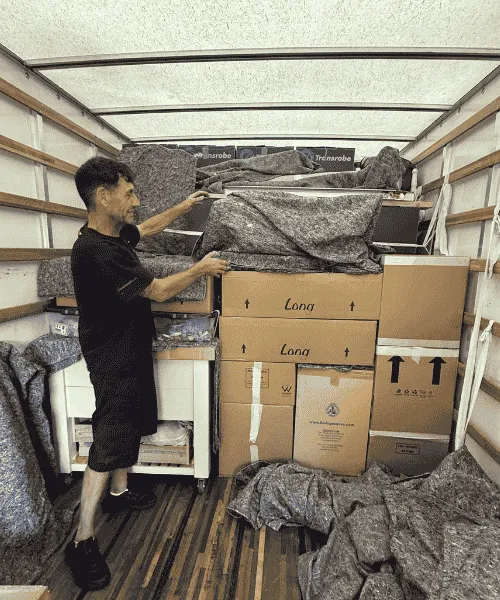
When loading, always put fragile boxes on top of heavier things. Never stack heavy furniture or white goods on delicate boxes. Putting things in the right place inside the van is vital for safety.
Professional movers know how to spread the weight evenly and hold it safely.
Step 7: Unpack Slowly and Carefully
Once you arrive, unpack fragile things slowly. Take off the padding gently and check each item as you go. Do not rush, as many accidents happen during unpacking rather than on the road.
Taking your time helps prevent unnecessary damage.
Tips for Protecting Specific Items
Different things need different ways of packing. Knowing these small details can make a big difference.
Glasses
Wrap each glass on its own and stand it upright in a padded box. Do not lay glasses flat, and use dividers if you have them.
Plates and Ceramics
Stack plates vertically, not flat, with padding between each one. This reduces pressure and lowers the risk of cracks.
Art and Mirrors
Cover them with foam sheets, card corners and moving blankets. Hold frames firmly in place to stop scratches.
Electronics
Use the box they came in if you can. If you do not have it, wrap them in bubble wrap, tie up the cables and put them in strong boxes with padding.
Antiques
Antiques often need special packing. Professional services can make crates to fit and use the right handling to keep them as safe as can be.
Packing Mistakes That Break Delicate Items
Even careful movers make mistakes that raise the risk of damage. Avoid these common problems:
-
Failing to label boxes as fragile
-
Overpacking boxes beyond safe weight limits
-
Skipping padding inside boxes
-
Putting heavy things on top of delicate ones
-
Rushing the unpacking process
If you steer clear of these mistakes, your move will be much safer.
Why Choose Elite Moving for Fragile Items?
Keeping delicate things safe takes skill, patience and the right kit. At Elite Moving, safety and a professional service come first.
Clients trust Elite Moving because we offer:
-
Skill – Years of experience handling fragile and costly things
-
Good Materials – Top packing supplies made to keep your things as safe as can be
-
Packing Made for You – Methods shaped to fit your own items
-
Reliable Transport – Vans fitted out to hold delicate boxes safely
-
Peace of Mind – Careful handling at every stage of the move
We treat every item as if it were our own, so your things arrive in perfect condition.
Additional Tips for a Smooth Move
A few extra steps can make your move even easier:
-
Pack fragile things early to avoid last-minute rush
-
Use smaller boxes for heavy delicate items
-
Keep a first-day essentials box separate
-
Maintain clear walkways for movers
-
Consider professional packing for irreplaceable items
Planning ahead cuts stress and helps stop accidents.
Protecting Delicate Items During a Move: Questions Answered
How should I pack delicate glassware for a move?
Wrap each glass on its own in packing paper, and stuff some paper inside it too. Stand glasses upright in a box with dividers, or pack them snugly in layers. Put the heaviest pieces at the bottom. Fill every gap, so nothing rattles when you gently shake the box. Mark it fragile and this way up.
Can I move antiques safely without professional help?
Small antiques can be moved with care, but large or very old pieces are a risk. Old joints can be weak, and veneers chip easily. Our team uses blankets, padding and, if needed, a crate made to fit. We also know how to lift and carry heavy pieces without putting strain on the frame.
What materials are best for protecting fragile items?
Use strong double-wall boxes, plenty of packing paper and bubble wrap. Corner guards help with frames. Avoid newspaper on fine china, as the ink can mark it. Towels and jumpers can fill gaps too. Do not overfill a box, and never leave empty space inside it.
Should electronics be packed differently?
Yes. The best box is the one the item came in. If you no longer have it, wrap the item in anti-static bubble wrap and use a snug box. Take photos of the cables before you unplug them. Back up laptops and computers first, and keep hard drives with you on the day.
How do you move mirrors and framed pictures without the glass breaking?
Put masking tape in a cross over the glass, so it holds together if it cracks. Add card corners, then wrap the whole piece in bubble wrap. Large mirrors and paintings are safest in picture boxes or crates. In the van, always stand them on their edge, never flat with things on top.
Quick Fragile Item Checklist
-
Sort items by fragility
-
Wrap each item individually
-
Label boxes clearly as fragile
-
Fill empty spaces with padding
-
Place fragile boxes on top during transport
-
Unpack slowly and carefully
Following this checklist helps make your move safer and more organised.
Tips for a Stress-Free Move
-
Start packing early
-
Avoid overpacking boxes
-
Keep essentials separate
-
Use high-quality packing materials
-
Hire professional movers if unsure
Small steps make a big difference when you protect delicate things.
Final Advice on Protecting Delicate Items
Learning how to protect delicate items during a move is key to a smooth and calm move. With the right materials, careful packing and proper handling, fragile things can arrive safely at your new home, ready to enjoy.
Elite Moving gives expert advice, skilled packing and reliable transport to keep your most prized things safe. We take great care and pay close attention to detail. This makes sure your move is quick, safe and free of worry from start to finish.
Contact Elite Moving today.
Phone: 07428474474
Email: info@elitemoving.co.uk
Website: Elite Moving
Social Media: Follow us on Instagram, LinkedIn & Facebook
See our best moving services across Europe and the rest of the world.
Room-by-Room Plan for Packing Fragile Items
The kitchen usually holds the most fragile things in a home, so start there. Pack the plates, bowls and glasses you rarely use first, and leave a few out for daily meals. Stand plates on their edge in a box, like records, rather than lying them flat. This makes them stronger and less likely to crack if the box gets a knock.
In the living room, focus on lamps, ornaments, vases and screens. Take lampshades off their bases and pack them on their own, as they crush easily. Wrap ornaments in paper first and then bubble wrap. If you still have the boxes for your TV or games console, use them, as they were made to hold that exact item.
Bedrooms often hold jewellery, perfume and small keepsakes. Pack these in a small box you carry with you, rather than putting them in the van. Mirrors on wardrobes or dressing tables should come off before the move and be wrapped with card corners and a blanket.
How Elite Moving Handles Fragile Items on Moving Day
When you book our packing service, you can choose a full pack or a fragile-only pack. With the fragile-only option, our team packs your glass, china, art and electronics, and you pack the rest. This is a good middle path if you want to save money but do not want to risk your most delicate things.
On the day, our crew loads the van with care. Heavy furniture goes in first and is strapped in place. Fragile boxes go on top or in a safe spot where they will not slide. Large mirrors and art are wrapped and stood upright, and nothing heavy is placed against them.
For high-value or very fragile pieces, such as antiques, fine art or a piano, ask about our white glove service. This gives these items extra time, extra wrapping and extra care at every stage, from packing to placing them in your new home.
What to Do If Something Arrives Damaged
Even with the best care, accidents can happen. If you find damage when you unpack, stop and take clear photos of the item and the box it came in. Keep all the packing, as it can help show what happened.
Tell your removal company as soon as you can, and check how long you have to report damage. Read the insurance terms before the move, so you know what is covered. Keeping a list of your most costly fragile things, with photos taken before the move, makes any claim much simpler.
Most damage can be avoided with good packing and a careful crew. If you are not sure how to pack something, ask us before the day. We are always happy to give advice, and we can bring the right boxes and wrap for the job.