How to Pack for a Cross-Country Move
Learning how to pack for a cross-country move can be the difference between a stressful move and a smooth one. A long-distance move needs more planning and more work up front than a local one. Your things will travel a long way and be loaded more than once, so packing them well matters a great deal.
When you know how to pack correctly, you reduce the risk of damage, loss, and delays. You also save time when unpacking in your new home. Good organisation helps you stay calm and in control during the moving process.
A cross-country move often means lorries, shipping routes and long hours on the road. Because of this, things inside your boxes may move about on the way. Good packing keeps your things safe and holds everything firmly in place for the whole trip.
This guide shows you how to pack for a cross-country move, one step at a time. If you follow these simple tips, you can get ready quickly and make your move far less stressful.
Why Packing Properly Matters
Knowing how to pack for a cross-country move is key to keeping your things safe on a long-distance move. A local move is short, but a move across the country means long hours on the road and your boxes being handled many times.
Boxes may be loaded, unloaded, stacked, and moved several times during the journey. If items are packed poorly, they can break, shift, or become damaged.
Proper packing provides several important benefits:
- It protects fragile items from damage
- It keeps boxes organised and easy to locate
- It prevents items from shifting during transport
- It makes unpacking faster when you arrive
Cost is another reason good packing matters. If something breaks, you may need to buy a new one, and that can cost a lot. Good packing cuts this risk and helps your things arrive safe.
When you take the time to learn how to pack for a cross-country move, you make your move safer and much easier to manage.
Step-by-Step Guide: How to Pack for a Cross-Country Move
Packing for a long-distance move gets easier when you follow a clear plan. These steps will help you stay organised and keep your things safe.
Step 1: Create a Packing Plan
The first step in learning how to pack for a cross-country move is creating a clear plan. Start by making a checklist of everything that needs to be packed.
Walk through each room and note important items. Planning ahead helps you estimate how many boxes and supplies you will need.
A plan also lets you pack in stages, so you are not rushing at the last minute. A good packing plan cuts stress and keeps the whole job easy to manage.
Step 2: Gather Packing Supplies
Using the right materials is key to keeping your things safe on a long trip. Good supplies stop boxes from falling apart and stop things from breaking.
Important packing supplies include:
- Strong cardboard boxes
- Bubble wrap
- Packing paper
- Packing tape
- Permanent markers
- Labels
Investing in good packing materials is a key part of learning how to pack for a cross-country move. Cheap boxes may break under pressure, especially when stacked in a moving truck.
Strong supplies give your things much better protection.
Step 3: Declutter Your Home
Before you start packing, take time to clear out your home. This makes packing easier and cuts the cost of your move.
Go through each room and sort items into three groups:
- Keep
- Donate or sell
- Dispose or recycle
Moving fewer items means fewer boxes and less work. It also helps you start fresh in your new home.
Clearing out is a big part of knowing how to pack for a cross-country move, because it makes the whole move simpler.
Step 4: Pack Room by Room
Packing one room at a time keeps everything organised. It also makes unpacking easier when you arrive at your new home.
Start with the rooms you use less, such as spare bedrooms, storage areas or cupboards full of seasonal things. Leave the rooms you need most, like the kitchen and bathroom, until later.
As you pack, put like items together and write the room name on each box. This simple trick means movers know where every box should go.
Packing room by room is one of the best strategies for mastering how to pack for a cross-country move.
Step 5: Label Every Box Clearly
Labelling boxes well is key on a long-distance move. Without labels, it is hard to find things when you unpack.
Each box should include:
- Room name
- Basic contents
- Handling instructions (such as fragile)
For example:
Kitchen – Glassware – Fragile
Clear labels help movers put boxes in the right rooms. They also stop fragile items from being handled roughly.
Good labels are a simple but strong part of learning how to pack for a cross-country move.
Step 6: Protect Fragile Items
Fragile items need extra care when you pack them. Glasses, plates, electronics and ornaments can break easily if they are not packed well.
Use bubble wrap, packing paper or soft cloth to wrap each item on its own. Put some padding in the bottom of the box before you add anything.
Fill any gaps with packing paper or foam so nothing can move.
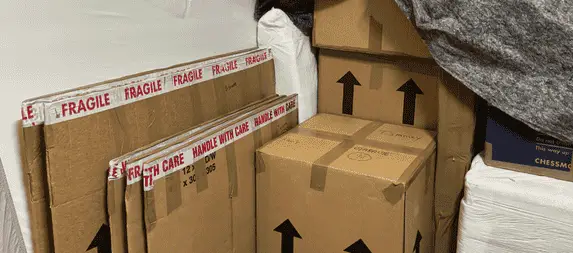
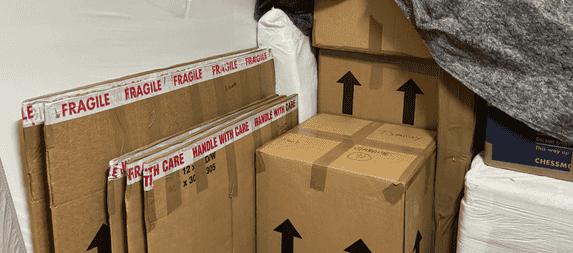
When you pack fragile items, always label the box clearly so movers know to handle it with care. This step is a big part of knowing how to pack for a cross-country move safely.
Step 7: Pack Heavy Items Carefully
Heavy items such as books, tools, and small appliances should be packed in smaller boxes. Large boxes filled with heavy items can become difficult to lift and may break during transport.
Spread the weight evenly across your boxes so they are easier to carry. Use strong tape to seal the bottom and make the box stronger.
Spreading the weight well helps protect both your things and the people who carry the boxes.
Learning how to deal with heavy items is another key part of knowing how to pack for a cross-country move.
Step 8: Use Suitcases for Essentials
On a long-distance move, some of your things should stay with you instead of going into the moving boxes.
Pack your key items in suitcases or your own bags, such as:
- Important documents
- Medications
- Chargers and electronics
- Clothing for several days
- Toiletries
Keeping these things with you means you can reach them on the way and as soon as you arrive.
This is a key step when learning how to pack for a cross-country move quickly and well.
Packing Tips for a Cross-Country Move
Packing for a long-distance move takes careful planning. These handy tips can make the job much easier.
- Use wardrobe boxes for hanging clothes
- Take photos of electronics before unplugging cables
- Fill empty spaces in boxes with packing paper
- Store screws and small parts in labelled plastic bags
- Pack a “first-night box” with basic necessities
A first-night box might hold wash things, bedding, snacks and phone chargers. Having these ready stops a lot of stress at the end of a long trip.
These simple tips will help you master how to pack for a cross-country move with confidence.
Cross-Country Packing Mistakes to Avoid
Many people make mistakes when they pack for a long-distance move. Steering clear of these common slips will help keep your things safe.
Some common mistakes include:
- Overloading boxes
- Failing to label boxes properly
- Packing everything at the last minute
- Using weak or damaged boxes
- Forgetting important documents
If you rush your packing, things are more likely to break, and unpacking gets more of a mess.
By avoiding these mistakes, you can improve your strategy for how to pack for a cross-country move.
Why Choose Elite Moving for a Cross-Country Move
Picking the right moving company is just as important as knowing how to pack for a cross-country move.
Elite Moving gives you skilled help that makes long-distance moves simple and reliable.
Our services include:
- Professional packing assistance
- Safe and secure transportation
- Experienced moving specialists
- Affordable and transparent pricing
- Reliable delivery schedules
Our team knows the problems that long-distance moves can bring. We handle your things with care and make sure they arrive safely at your new home.
With Elite Moving, you get skilled help through every part of your move.
Extra Tips for Long-Distance Packing
Long-distance moves need a little extra work up front. These extra tips can help you stay organised and keep your things safe.
- Pack valuable items separately
- Use colour-coded labels for each room
- Create an inventory list of all boxes
- Double-tape heavy boxes for extra strength
- Avoid packing restricted or hazardous items
A list of every box helps you keep track of your things and makes sure nothing goes missing on the way.
These extra tips will make your packing for a cross-country move even better.
How to Stay Organised During the Move
Being organised plays a big part in a good long-distance move. Without a clear system, packing can soon get confusing.
Keep all your key papers in one folder. This might include contracts, moving forms, ID and travel details.
Use a checklist to track your progress and mark tasks as they are completed. Consistent labelling also helps ensure every box reaches the correct room.
Staying organised makes the whole move run more smoothly and helps you stay in control on the day.
Being well organised is one of the most useful skills when learning how to pack for a cross-country move.
Final Tips for Packing for a Cross-Country Move
Knowing how to pack for a cross-country move is key to a good move. Long-distance moves have lots of parts, but getting ready well makes the whole thing far easier.
If you plan early, use good packing materials and pack in an organised way, you can keep your things safe for the whole trip.
Take time to clear out, label each box well and keep your key things in a bag of their own. This will make it much quicker to unpack when you get there.
With the right plan and help from a trusted company like Elite Moving, your cross-country move can be smooth, well organised and free of stress.
Packing for a Cross-Country Move: Your Questions Answered
How should I pack boxes so they survive a long road trip?
Use strong double-wall boxes and do not overfill them. Put heavy items in small boxes and light items in large ones. Fill every gap with paper so nothing shifts as the van moves. Tape the top and bottom well. Label each box with the room and a short list of what is inside.
When should I start packing for a move across the country?
Start a few weeks before moving day. Pack the things you rarely use first, such as books, spare bedding and decorations. Then work room by room, leaving everyday items until the last few days. Starting early stops a late-night rush, which is when most packing mistakes happen.
How do I wrap glass and china for a cross-country move?
Wrap each plate, glass and bowl on its own in packing paper. Stand plates on their edge, not flat, and put a layer of scrunched paper at the bottom and top of the box. Mark the box as fragile and say which way is up. For a long trip, our packers can wrap these items for you.
What should travel with me in the car rather than on the van?
Keep passports, keys, medicine, chargers, bank papers and jewellery with you. Add a bag with clothes, wash things and snacks for the journey and the first night. On a long move, the van may arrive after you, so these items need to be close at hand when you reach your new home.
Is it worth paying for packers on a cross-country move?
It often is if you have a large home, lots of fragile items or little spare time. Our packers bring the boxes and wrap, work quickly and pack items to cope with a long drive. You can also choose to have only the kitchen or fragile items packed, and do the rest yourself.